
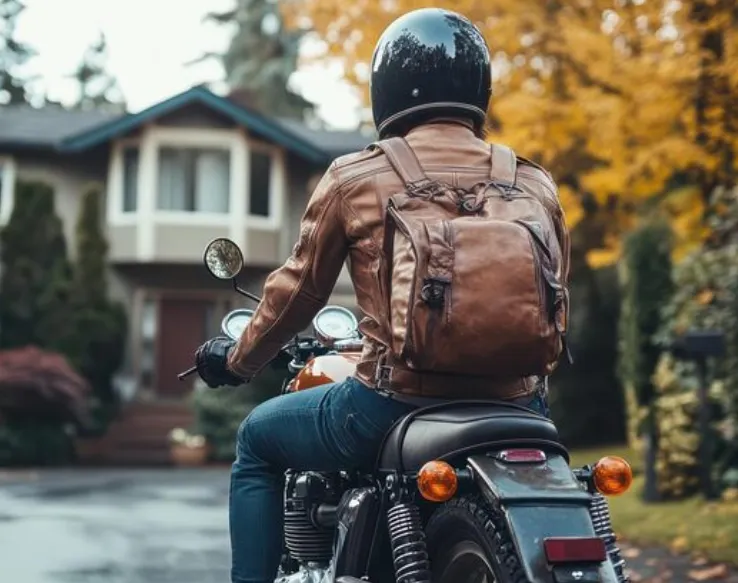
Most riders pack the night before and regret it by lunch. The toothbrush ends up at the bottom, the rain jacket is buried, and a heavy tin of chain lube rattles around somewhere. Good adventure motorcycle luggage Singapore riders use is only half the story. How you fill it matters just as much.
This guide walks through packing step by step. We cover sorting, tank bags, panniers, waterproofing, straps, and final checks. The causeway ride north is a classic, so we keep both countries in mind. Heat, rain, and long hours in the saddle shape every tip.
Sorting Your Gear Into Groups
Start on the floor, not the bike. Lay everything out and split it into piles: things you need during the day, things you need at night, and emergency items. Be honest. Three shirts might do the job of seven. Weight adds up quickly once the bike is moving.
Each pile then gets its own home. Daytime items go where your hands can reach them without unpacking. Night items go deeper. Emergency gear stays easy to grab. When riders shop for adventure motorcycle luggage Malaysia trips demand, this sorting habit saves more time than any fancy bag.
Tank Bags for Quick Access
A tank bag sits right in your line of sight, so use it for small, frequently needed things. Think wallet, passport copies, sunglasses, snacks, a map, and a charging cable. Keep it tidy. A stuffed tank bag can bump your chest on turns and feel awkward.
Check how the bag attaches to your bike. Magnetic, strap-on, and fitted-base models behave differently, and not every style suits every tank. Make sure it does not block the steering or cover the fuel cap awkwardly. A quick wiggle test in the garage shows problems before the road does.
Panniers and Top Case Loads
Panniers carry the bulk. Put heavier items low and near the bike’s centre, like tools, spare chain lube, or a laptop in padded cover. Try to match weight left and right. Lopsided loads pull the bike sideways, and you will feel it in every corner.
The top case is better for lighter things. Helmets, jackets, or a soft bag of clothes fit nicely. Do not overload it, since weight high and far back makes handling twitchy. Close each lid firmly and double check the latch. Nothing ruins a day faster than a lid popping open.
Waterproofing for Sudden Downpours
Tropical rain does not ask permission. Even bags sold as water-resistant can leak at the seams after a long soaking. Use inner dry bags for clothes, electronics, and documents. They are cheap, light, and worth every cent.
Carry spare plastic bags too. They help with wet gloves, muddy boots, and rubbish. Keep rain gear near the top of the pile, not at the bottom of the case. Pulling over in a storm to dig through your luggage is a lousy way to spend ten minutes.
Securing Straps and Soft Bags
Soft bags rely on straps, so quality matters. Cinch them tight, then check again after the first ten minutes of riding. Loads settle, and straps loosen. Tie off loose ends so nothing flaps near the wheel or chain. Flapping straps are a real danger.
Use a cargo net or bungee system as backup. Place bags so they do not touch the exhaust, since heat can melt fabric quickly. Think about wind, too. Tall loads act like sails on highways. Keep the profile low and compact whenever you can.
Final Checks Before You Ride
Before leaving, walk around the bike. Look at every strap latch and zip. Push and pull each bag to see if anything shifts. Start the engine and check the lights, signals, and brakes. Fix problems now, not three hours into the trip.
Take a short test ride with the loaded bike. Notice how it turns, brakes, and idles. Adjust tyre pressure if your manual suggests a change for heavier loads. Stop after twenty minutes and recheck the bags. Small adjustments here keep the whole journey calm and predictable.
Conclusion
Smart packing makes any trip better. Sort your gear, use the tank bag for quick items, balance the panniers, protect everything from rain, and check every strap. The best setup is the one you do not have to think about while riding. That is the goal.
For more ideas, visit motorradsg.com and browse luggage options that fit your bike and route. Plan your load, test it near home, and keep things simple. Every kilometre feels lighter when the bags sit right. Ride safe, drink water, and enjoy the trip ahead.