
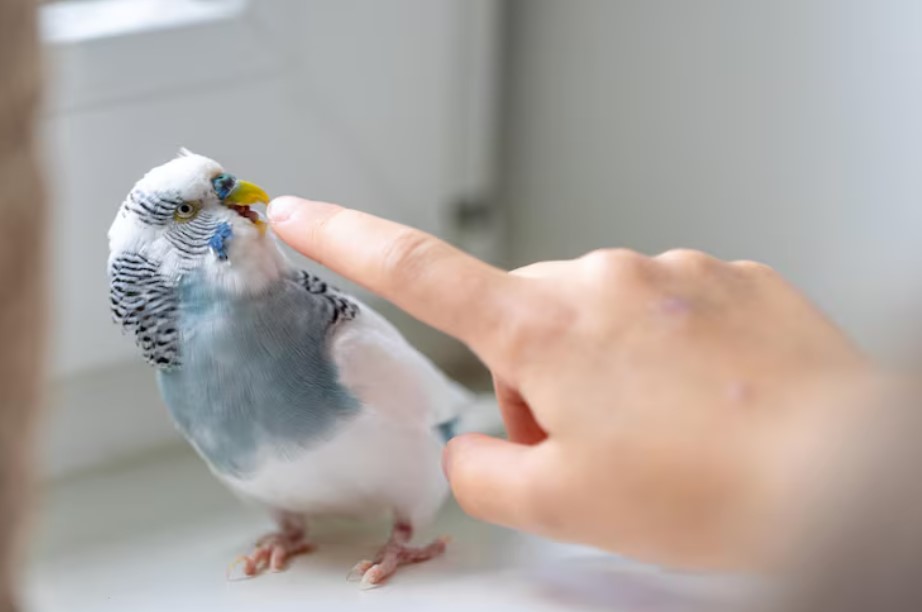
Providing the right diet is one of the most important parts of caring for a pet bird. Food affects a bird’s energy, feather quality, digestion, immunity, and overall health. Many bird owners want to provide the best care but may unknowingly make feeding mistakes.
Choosing the correct cockatiel food requires understanding what nutrients these birds need. While seeds are popular and many cockatiels enjoy them, a balanced diet should include a variety of foods that support long-term wellness.
Different birds also have different nutritional needs. The diet suitable for a cockatiel may not be ideal for other species like lovebirds or cockatoos. Understanding these differences helps owners make better feeding choices.
Why Proper Food Matters for Cockatiel Health
Cockatiels are active birds that need proper nutrition to stay healthy and energetic. Their diet affects many areas of their daily life, including:
-
Feather condition
-
Energy levels
-
Immune support
-
Weight management
-
Natural behavior
A poor diet can contribute to problems such as dull feathers, low energy, weight issues, and nutritional deficiencies.
The goal of feeding should not only be keeping your bird full. It should provide the nutrients needed for a healthy and active life.
Common Cockatiel Food Mistakes Owners Make
Many feeding mistakes happen because birds naturally prefer certain foods. Cockatiels often choose tasty options first, even if those foods do not provide complete nutrition.
Here are common mistakes to avoid when selecting and providing cockatiel food.
Feeding Only Seeds as a Daily Diet
One of the most common mistakes is offering only seeds. Cockatiels enjoy seeds, and they can provide energy and healthy fats. However, a seed-only diet may not provide all the vitamins and minerals needed for good health.
When birds eat only their favorite seeds, they may ignore other important nutrients.
A balanced diet may include:
-
Quality pellets
-
Fresh vegetables
-
Suitable fruits
-
Limited seeds
-
Occasional treats
Seeds can be part of a healthy diet, but they should not always be the only food source.
Ignoring Fresh Fruits and Vegetables
Fresh foods provide important nutrients and variety. Some owners avoid fresh foods because they worry about mess or spoilage, but they can play an important role in a balanced diet.
Vegetables such as leafy greens, carrots, broccoli, and bell peppers can provide valuable nutrients.
Small amounts of bird-safe fruits can also add variety. Always remove fresh food after a few hours to prevent spoilage.
Introducing new foods slowly helps cockatiels become comfortable with different flavors and textures.
Choosing the Wrong Food for Different Bird Species
Not every bird eats the same type of food. A diet designed for one species may not meet another bird’s needs.
For example, lovebirds food and cockatoo food may differ from cockatiels’ diets because these birds have different sizes, activity levels, and nutritional requirements.
Cockatiels generally need smaller-sized food pieces that match their beak size and eating habits.
Lovebirds are active and playful birds that may require food options suited to their higher activity levels.
Cockatoos are larger birds with stronger beaks and different dietary requirements. They often need larger food pieces and stronger enrichment options.
Always choose food based on your bird’s species instead of selecting products only by appearance or popularity.
Feeding Too Many Treats
Treats are useful for training and bonding, but too many treats can create health problems.
Seeds, nuts, and sweet foods are often favorites among birds. However, these foods are usually higher in fat and should be offered in moderation.
Treats should support training and interaction, not replace balanced meals.
A healthy feeding routine focuses on nutrition first and treats second.
Poor Food Storage and Feeding Habits
Even high-quality cockatiel food can lose freshness if stored incorrectly.
Common storage mistakes include:
-
Leaving food exposed to air
-
Storing food near moisture
-
Using old food past its freshness period
-
Not cleaning food containers
Store bird food in a sealed container in a cool, dry place.
Also, clean food and water bowls regularly. Dirty bowls can collect bacteria and affect your bird’s health.
Not Providing Enough Variety
Birds can become bored with the same food every day. Variety encourages natural eating behaviors and provides different nutrients.
A varied feeding routine may include:
-
Pellets as a nutritional base
-
Fresh vegetables
-
Small amounts of fruit
-
Appropriate seeds
-
Safe treats
Changing food variety does not mean constantly changing the main diet. Introduce new foods gradually and observe your bird’s response.
Ignoring Your Bird’s Individual Needs
Every bird is different. Age, activity level, health condition, and lifestyle can affect nutritional requirements.
Young birds may need different nutrition compared to adult birds. Older birds may require additional care based on health concerns.
Monitor your bird’s weight, eating habits, and energy levels. Sudden changes may indicate a problem that needs attention.
Create a Healthier Feeding Routine
A healthy bird starts with smart food choices. Avoiding common feeding mistakes can help support better feathers, energy, and overall wellness.
Choose quality cockatiel food, provide fresh and suitable foods, and understand your bird’s specific needs. Whether you care for a cockatiel, lovebird, or cockatoo, the right diet creates a strong foundation for a happier and healthier companion.
Frequently Asked Questions
1. What is the best food for a cockatiel?
The best cockatiel food includes a balanced combination of quality pellets, vegetables, limited seeds, and occasional treats. The exact diet depends on the bird’s age and health needs.
2. Can cockatiels eat only seeds?
No. A seed-only diet may not provide complete nutrition. Cockatiels benefit from a varied diet that includes other healthy food options.
3. Is lovebird food suitable for cockatiels?
Some ingredients may overlap, but lovebirds’ food is designed for lovebirds and may not provide the ideal balance for cockatiels. Choose food based on your bird’s species.
4. What type of food do cockatoos need?
Cockatoo food is designed for larger birds with different nutritional needs. Cockatoos usually require food sizes and ingredients suitable for their larger bodies and stronger beaks.
5. How often should I change my cockatiel’s food?
Provide fresh food daily and remove old or spoiled food regularly. Clean bowls frequently to maintain good hygiene.